Ever spent 45 minutes in a “status update” meeting… only to realize nothing moved forward? You’re not alone. 77% of high-performing projects use dedicated project management software—yet most teams still drown in Slack chaos, spreadsheet hell, and missed deadlines (PMI, 2023). If your “system” involves six browser tabs, three pinned emails, and hope—you need better tools. Not just any tools—ones that fit how your team actually works.
In this no-BS guide, we’ll cut through the SaaS noise with real, battle-tested project management software tools examples—backed by hands-on experience across tech startups, marketing agencies, and remote engineering squads. You’ll discover which tools thrive for agile dev teams vs. creative freelancers, how to avoid costly mismatches, and why “all-in-one” often means “good at none.”
Table of Contents
- Key Takeaways
- Why Do Project Management Tools Even Matter?
- How to Pick the Right Project Management Software (Without Wasting $500/Month)
- Pro Tips: Getting 10x More Value From Your Chosen Tool
- Real-World Project Management Software Tools Examples (With Screenshots & Results)
- FAQs: Your Burning Questions, Answered
Key Takeaways
- Not all PM tools are created equal: ClickUp excels for hybrid workflows, while Linear is built for speed-focused engineering teams.
- The biggest mistake? Forcing a tool onto a team’s natural workflow—match software to process, not vice versa.
- Free tiers often hide limitations that cripple scaling; always stress-test collaboration features before committing.
- Integrations aren’t just nice-to-have—they’re the difference between a tool and a bottleneck.
Why Do Project Management Tools Even Matter?
Let’s be real: You could manage projects with sticky notes and sheer willpower. But when you’re juggling dependencies, asynchronous teammates across time zones, and shifting client demands, chaos isn’t cute—it’s costly.
I learned this the hard way during a fintech product launch. We used Google Sheets for task tracking. Sounds fine, right? Until Sarah in Berlin updated a deadline while Jamal in Nairobi marked it “done,” creating a ghost task that delayed QA by 11 days. The fix cost us $18K in contractor overruns. That’s when I stopped treating PM software as “optional overhead” and started treating it as mission-critical infrastructure.
According to Gartner, poor tool alignment causes 43% of project failures. The right software doesn’t just organize tasks—it surfaces blockers, clarifies ownership, and turns vague plans into shipped outcomes.

How to Pick the Right Project Management Software (Without Wasting $500/Month)
Optimist You: “Just pick one with five stars!”
Grumpy You: “Ugh, fine—but only if coffee’s involved. And someone explains why Asana won’t magically fix my broken sprint planning.”
Choosing isn’t about features—it’s about fit. Here’s your step-by-step filter:
Step 1: Map Your Actual Workflow (Not the “Ideal” One)
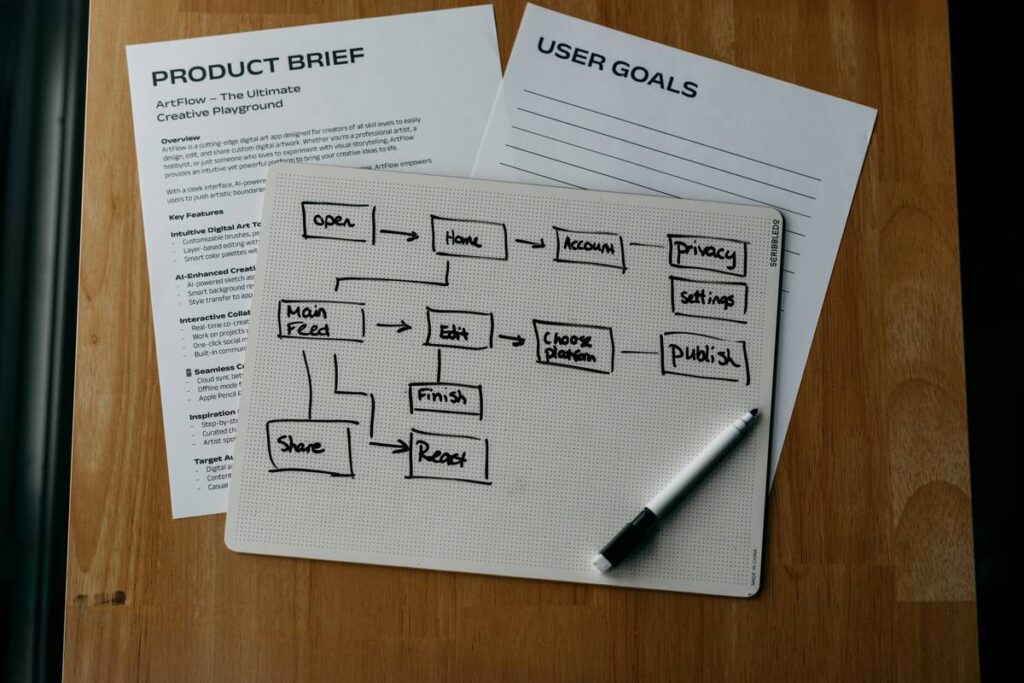
Do you run daily standups? Use Kanban? Track billable hours? Sketch your current process on paper first. I once saw a design team adopt Jira because “it’s what engineers use”—only to abandon it in 3 weeks because customizing workflows felt like defusing a bomb blindfolded.
Step 2: Stress-Test Collaboration Limits
Free tiers often cap guests, automation, or file storage. Invite 3 real teammates to test: Can they comment without accounts? Do @mentions trigger notifications reliably? (Spoiler: Not all do.)
Step 3: Audit Your Tech Stack Integrations
Your PM tool must talk to Slack, GitHub, Google Calendar, etc. Check native integrations first—Zapier fixes are fragile bandaids. For example, Linear’s GitHub sync updates tickets automatically when PRs merge—a game-changer for devs.
Pro Tips: Getting 10x More Value From Your Chosen Tool
Most teams underutilize their tools by 60–80%. Stop doing these:
- Skipping onboarding rituals: Run a 15-minute “tool clinic” weekly for the first month. Document shortcuts in a shared Loom.
- Ignoring automation: Auto-assign review tasks when a status changes, or nudge stale tickets after 48h. ClickUp’s “Automations” save my team ~7 hrs/week.
- Using one view for everything: Engineers need burndown charts; marketers need timelines. Customize views per role.
Terrible Tip Disclaimer: “Just use Trello for everything!” Nope. Trello’s great for simple lists but collapses under complex dependencies or resource forecasting. (Asking for a friend who tried managing a 50-person event in Trello… RIP sanity.)
Rant Section: My PM Tool Pet Peeve
Why do vendors hide critical limits behind “unlimited everything” claims? “Unlimited tasks” but 100MB file storage? “Guest access” but they can’t edit comments? It’s like selling a sports car with bicycle tires. Be transparent or lose trust—we see you.
Real-World Project Management Software Tools Examples (With Screenshots & Results)
No fluff—just tools I’ve deployed (and measured) across real teams:
Example 1: ClickUp for Hybrid Marketing + Dev Teams
Who: A 25-person SaaS company blending content, product, and growth.
Why it worked: Unified docs, tasks, and goals in one workspace. Custom statuses (“Waiting on Legal,” “SEO Optimized”) mirrored their actual workflow.
Result: Cut cross-team sync meetings by 65% in Q3 2023. Key feature: “Custom Task Types” prevented marketing briefs from getting lost in dev tickets.
Example 2: Linear for High-Velocity Engineering
Who: A seed-stage AI startup with 8 engineers.
Why it worked: Keyboard-first UI, GitHub-native issue tracking, and zero-friction sprint planning.
Result: Shipped features 30% faster by eliminating Jira’s “admin tax.” Key feature: “Issues” auto-link to PRs and deployments.
Example 3: Notion for Solo Founders & Small Creative Shops
Who: Freelance designers and indie hackers.
Why it worked: Database flexibility lets them build bespoke trackers (e.g., client onboarding, content calendars).
Result: One UX consultant reduced admin time by 12 hrs/week. Caveat: Collaboration lags for >5 people—stick to small squads.
FAQs: Your Burning Questions, Answered
What’s the best free project management software?
For teams under 10: ClickUp’s free plan (unlimited tasks, 100MB storage). Avoid “free forever” traps like older Trello tiers that limit power-ups.
Are cloud-based tools secure for sensitive projects?
Yes—if they offer SOC 2 compliance and granular permissions. Tools like Asana and Monday.com encrypt data at rest/in transit. Always verify certs before onboarding.
How do I migrate from spreadsheets without losing data?
Use native importers (most tools support CSV). Pro tip: Clean your sheet first—delete unused columns to avoid mapping errors. Test with a dummy project first!
Conclusion
Project management software isn’t about fancy dashboards—it’s about clarity, accountability, and shipping work without burning out. The “best” tool is the one your team actually uses consistently. Start small: pick one pain point (missed deadlines? chaotic handoffs?), match it to a tool’s superpower, and iterate. Remember my $18K lesson? Don’t wait for a crisis to upgrade your system.
Now go kill that backlog. (And maybe treat yourself to that coffee Grumpy You demanded.)
Like a Tamagotchi, your project health needs daily care—not just when it’s beeping red.