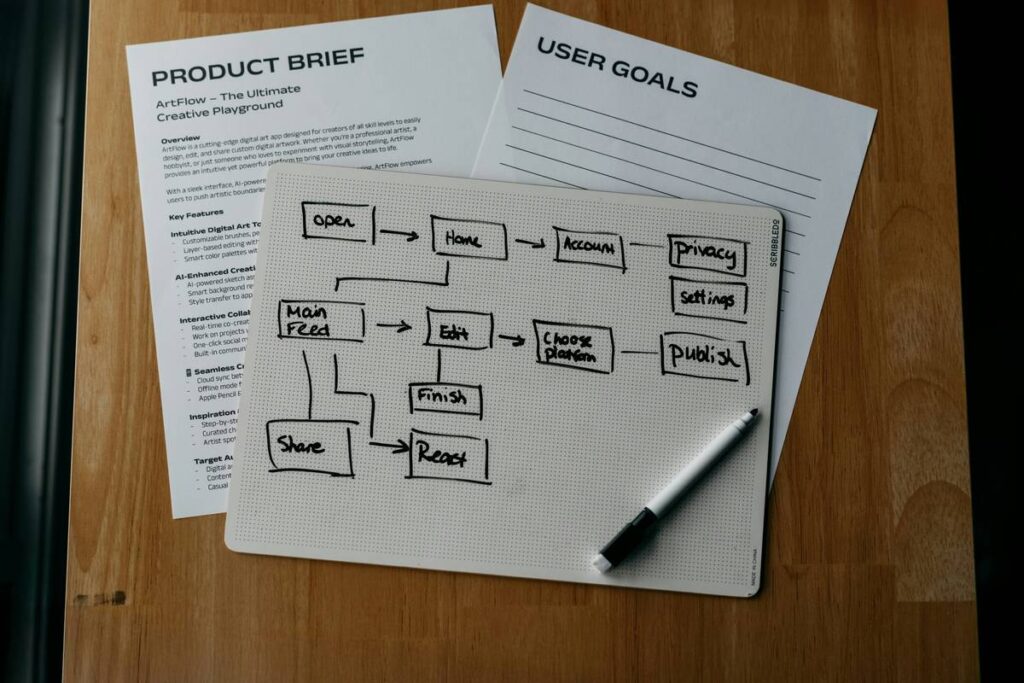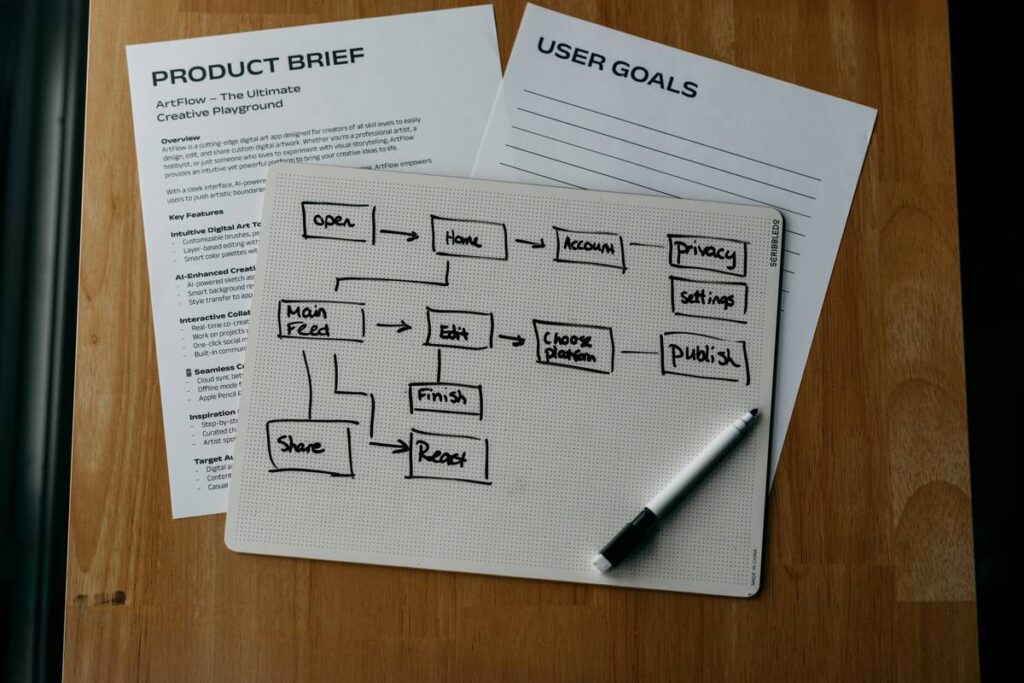
Ever led a project where “status update” meant 47 unread Slack messages, three conflicting Google Docs, and a spreadsheet that looks like your cat walked across the keyboard? Yeah. You’re not alone.
According to PwC, 77% of high-performing organizations use project management software tools—but only 23% of all projects meet their original goals. The gap? It’s rarely the tool. It’s how you choose and wield it.
In this no-BS guide, you’ll discover how to:
- Pick the right project management software tools for your team’s actual workflow—not just shiny marketing demos
- Avoid the “Frankenstein stack” that drains 12+ hours a week in context-switching
- Implement a setup that scales from solo freelancers to 50-person engineering teams
Table of Contents
- Why Project Management Software Tools Matter (Beyond Just Checking Boxes)
- How to Choose the Right Project Management Software Tools: Step-by-Step
- Best Practices for Maximizing Your Project Management Software Tools
- Real-World Case Studies: Successes (and Epic Fails)
- Project Management Software Tools FAQs
Key Takeaways
- Not all project management software tools are created equal—complexity should match your team size and process maturity.
- Custom workflows beat out-of-the-box templates if you take 20 minutes to configure them properly.
- Integration depth (not quantity) determines real-world efficiency gains.
- Adoption fails when tools don’t solve actual pain points—involve end-users early.
Why Project Management Software Tools Matter (Beyond Just Checking Boxes)
Let’s be real: most teams adopt PM tools because leadership says “we need visibility.” But without intentional design, these platforms become digital graveyards—buried under incomplete tasks, ghosted comments, and outdated Gantt charts.
I once watched a startup burn $18K/year on an enterprise-grade tool… only to manage sprints via WhatsApp voice notes. Why? The software demanded waterfall-style phase gates for an agile dev team. Total misfire.
The right project management software tools do three things:
- Centralize communication—no more hunting through emails or DMs for decisions.
- Clarify accountability—who owns what, by when, and with which dependencies.
- Surface bottlenecks early—before they derail timelines and budgets.
According to the 2020 Standish Group CHAOS Report, projects using dedicated PM tools are 2.5x more likely to succeed than those relying on spreadsheets or verbal updates.

How to Choose the Right Project Management Software Tools: Step-by-Step
Picking PM software isn’t about features—it’s about fit. Here’s how to avoid costly mismatches.
Step 1: Audit Your Actual Workflow (Not Your Fantasy One)
Track how your team *really* works for one week. Do you use daily standups? Async updates? Design handoff rituals? Map these before evaluating tools. I’ve seen UX teams forced into Jira because “it’s what engineers use”—only to abandon it within months.
Step 2: Define Must-Have Integrations
Your PM tool lives in an ecosystem. If your team lives in Slack, Figma, or GitHub, verify deep two-way sync—not just notification pings. For example, ClickUp’s GitHub integration auto-links commits to tasks; Asana’s doesn’t.
Step 3: Test Adoption Friction
Run a 2-week pilot with 3–5 power users. Measure:
- Time to complete a standard task (e.g., bug report → resolution)
- Number of context switches required
- User sentiment (anonymous survey)
Optimist You: “This will streamline everything!”
Grumpy You: “Ugh, fine—but only if coffee’s involved AND it stops making me tag people 17 times.”
Best Practices for Maximizing Your Project Management Software Tools
Owning a Ferrari doesn’t make you Michael Schumacher. Same goes for PM tools. Here’s how to drive like a pro.
- Kill the “Everything Bucket” project—create separate spaces for initiatives, ops, and personal work. Monolithic boards = chaos.
- Automate status updates—use rules like “When task moves to ‘Review,’ notify stakeholder + add to weekly digest.” Saves 5+ hours/week.
- Enforce single source of truth—ban duplicate task creation. If it’s not in the tool, it doesn’t exist.
- Review workflows quarterly—your Q1 sprint process might choke your Q3 marketing campaign.
The Terrible Tip Everyone Gives (Don’t Do This)
“Just use all the features!” Nope. Over-customization is the #1 killer of PM tool adoption. Start minimal. Add complexity only when pain points emerge.
Real-World Case Studies: Successes (and Epic Fails)
Case Study 1: SaaS Startup Scales from 10 → 60 Without Melting Down
Challenge: Engineering used Jira; marketing lived in Trello. Handoffs took 3–5 days.
Solution: Migrated both teams to Linear (for devs) + ClickUp (for go-to-market), connected via Unito for bidirectional sync.
Result: Cross-functional delivery time dropped 62%. Onboarding new hires cut from 3 weeks to 4 days.
Case Study 2: Agency Dumps Notion for Monday.com After Client Revolt
Confessional Fail: We loved Notion’s flexibility… until clients couldn’t find deliverables buried in nested pages. One client literally said, “Is my logo in the dragon emoji section?”
Fix: Switched to Monday.com’s client-facing boards with locked permissions + automated approvals.
Outcome: Client satisfaction scores jumped from 3.2 → 4.7/5. No more emoji archaeology.
Project Management Software Tools FAQs
What’s the difference between project management and task management tools?
Task tools (Todoist, Microsoft To Do) handle individual to-dos. Project management software tools (Asana, Wrike) manage scope, timelines, resources, and dependencies across teams. Think: task managers = shopping lists; PM tools = full meal prep with chefs, timers, and dietary restrictions.
Are free project management tools worth it?
For solopreneurs or tiny teams (<5 people), yes—Trello and ClickUp free tiers are robust. But once you need reporting, permissions, or integrations, paid plans ($8–15/user/month) pay for themselves in recovered hours.
How do I get resistant team members to adopt new PM software?
Involve them in selection. Solve their specific pain first (e.g., “This auto-generates your weekly client report so you stop working Sundays”). Never mandate—co-create.
Which tool is best for remote teams?
Tools with strong async features win: comment threading (Basecamp), video updates (ClickUp), and timeline visibility (Smartsheet). Avoid tools requiring constant real-time collaboration.
Conclusion
Great project management software tools aren’t about control—they’re about clarity. They turn ambiguity into action, noise into signals, and chaos into… well, slightly organized chaos (but the good kind).
Remember: the goal isn’t to use every feature. It’s to create a system where your team spends less time managing work—and more time doing it. Start small. Solve real problems. And for the love of productivity, stop tagging Dave in 17 places just to get his attention.
Like a Tamagotchi, your project workflow needs daily care—or it dies a sad, pixelated death.
Spreadsheets weep
in disordered despair—
clarity blooms here.