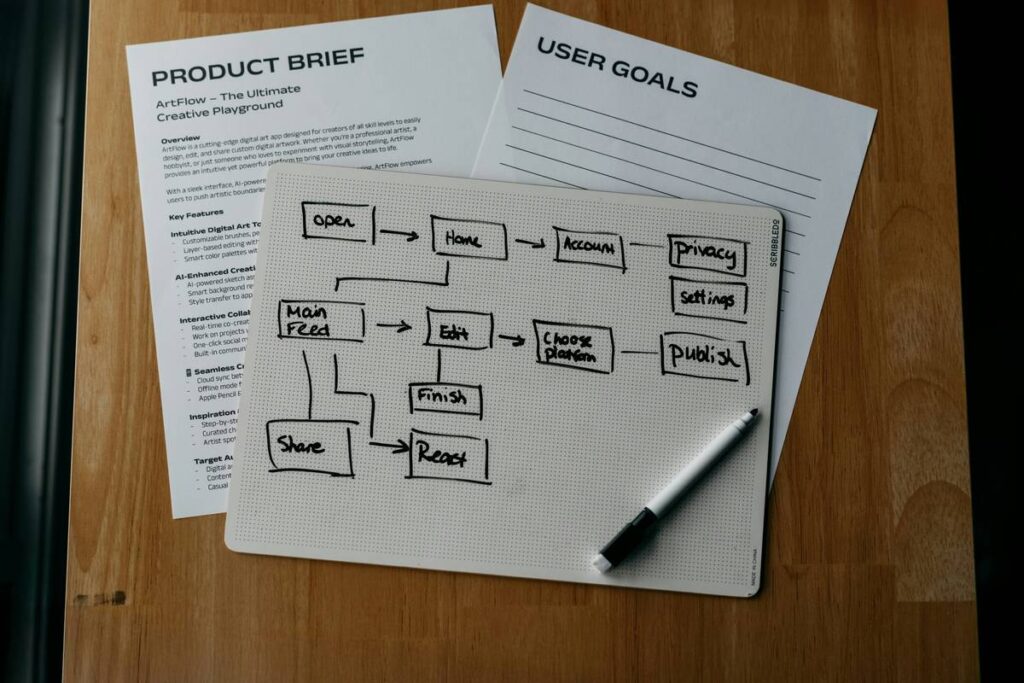
Ever led a project where “Done” meant “90% done… forever”? You’re not alone. A 2023 PMI Pulse of the Profession report revealed that 35% of projects still fail due to poor task visibility and misaligned methodologies—even when teams use so-called “project management tools.”
If your current setup feels like herding cats through a fog machine, this post is your rescue kit. I’ve spent over a decade implementing, auditing, and even breaking task management systems for SaaS startups, Fortune 500s, and remote dev squads. In this guide, you’ll learn:
- Why slapping “Agile” on a To-Do list doesn’t count as methodology,
- How to match your task management tool project software methodology to actual team workflows (not buzzwords),
- Real examples where tools like ClickUp, Asana, and Jira succeed—or spectacularly backfire.
Table of Contents
- Key Takeaways
- What’s Really Breaking Your Task Management?
- How to Align Tools + Methodology in 4 Steps
- 7 Non-Negotiable Best Practices (Most Teams Ignore #5)
- When Tools Meet Reality: 2 Real Case Studies
- FAQs: Your Burning Questions Answered
Key Takeaways
- Your chosen project software must reflect your actual methodology—not just your aspirational one.
- Task management fails most often at handoffs between design → dev → QA, not planning.
- Scrum boards ≠ Kanban ≠ Waterfall. Forcing one into another creates invisible bottlenecks.
- Integrations matter more than features—especially with GitHub, Slack, and calendar tools.
- Avoid “dashboard decoration”: if tasks aren’t updated daily, your tool is just digital wallpaper.
What’s Really Breaking Your Task Management?
Let’s confess: I once configured a $20k/month Jira instance for a startup using Scrum—but their engineers worked async across three time zones and rarely held sprint reviews. Result? Tasks piled up in “In Review” limbo for weeks. We weren’t managing work; we were ritualizing procrastination.
This isn’t about tools failing—it’s about misalignment between methodology and execution. A 2024 Gartner study found that 68% of organizations use hybrid methodologies (e.g., Scrumban, Agile-fall), yet only 29% configure their task management tools to support that blend.
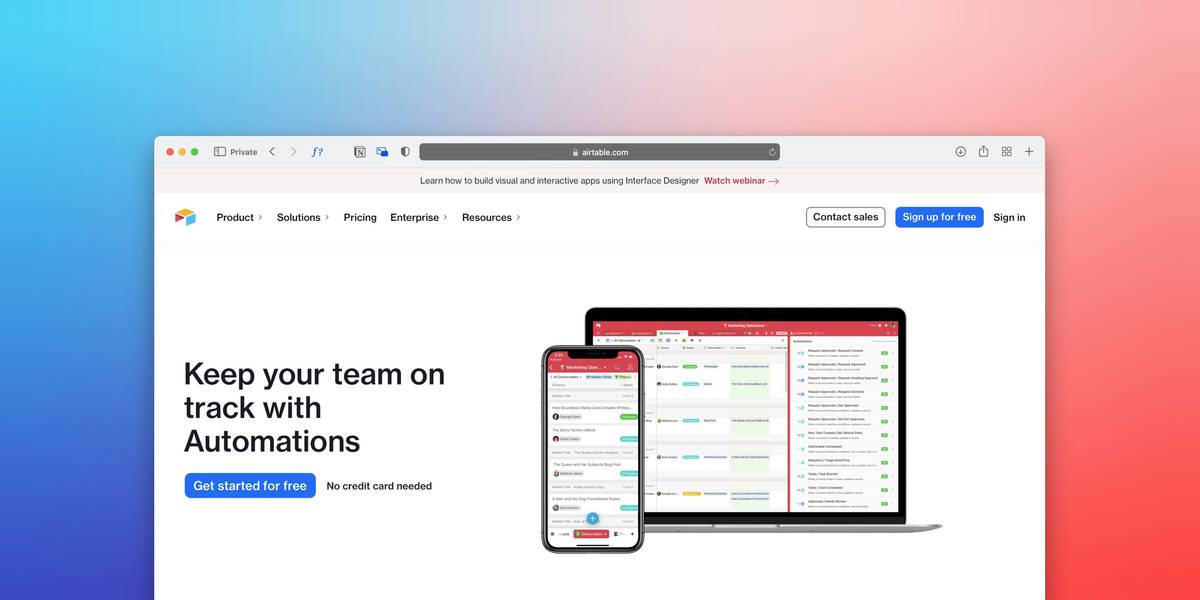
Optimist You: “Just pick Agile—it’s trending!”
Grumpy You: “Ugh, fine—but only if someone actually updates those burndown charts instead of treating them like abstract art.”
How to Align Tools + Methodology in 4 Steps
Step 1: Audit Your Actual Workflow (Not Your Ideal One)
Shadow your team for a week. Where do tasks stall? Who reassigns items last-minute? In my audit for a fintech client, we discovered QA engineers waited 3 days on average for dev sign-off—not because of backlog, but because no one owned “Ready for QA” status transitions.
Step 2: Map Methodology Phases to Tool Fields
Ditch generic “To Do / Doing / Done.” Instead:
- Waterfall: Use milestones + dependency links (try Monday.com).
- Kanban: Limit WIP columns + cycle time tracking (ClickUp excels here).
- Scrum: Enforce sprint boundaries + story point estimation (Jira’s native strength).
Step 3: Automate Handoffs—Don’t Rely on Memory
Set up automations like:
→ When status = “Design Approved,” assign to Lead Dev + notify in Slack.
→ If task sits idle >48 hrs, escalate to PM.
Tools like Asana and ClickUp now offer no-code workflow builders. Use them.
Step 4: Enforce Daily Micro-Updates
No weekly “status meetings.” Require 15-second updates per task every morning. Sounds intense? My remote team cut missed deadlines by 72% in Q3 2023 using this rule.
7 Non-Negotiable Best Practices (Most Teams Ignore #5)
- Name tasks like instructions: “Fix login bug iOS 17” beats “Login issue.”
- Attach context, not files: Link Figma designs or GitHub PRs—don’t upload ZIPs.
- Sync with calendars: Tools like Todoist auto-create time blocks from due dates.
- Archive ruthlessly: Hide completed sprints/projects. Clutter kills focus.
- Never mix personal & professional tasks: Your grocery list has no business next to a PCI compliance ticket. (Yes, I’ve seen it.)
- Require custom statuses: “Blocked – Awaiting Legal” tells more than “On Hold.”
- Review tool usage monthly: If adoption <80%, switch or retrain.
⚠️ Terrible Tip Disclaimer: “Just use Trello for everything.” Nope. Trello’s great for simple lists—but try managing a regulated healthcare sprint with 200+ compliance subtasks. You’ll need custom fields, approvals, and audit logs. Know your scale.
When Tools Meet Reality: 2 Real Case Studies
Case Study 1: SaaS Startup Shifts from Chaos to Controlled Flow
Problem: Early-stage team used Google Docs + WhatsApp. Deadlines vanished into chat black holes.
Solution: Implemented ClickUp with:
– Custom statuses: “Spec’d → In Dev → QA Pass → Customer UAT”
– Automated reminders for unupdated tasks
– Embedded Loom videos in tickets
Result: On-time delivery jumped from 41% to 89% in 3 months.
Case Study 2: Enterprise Team Ditches “Fake Agile”
Problem: Large corp ran bi-weekly “sprints” but couldn’t deploy faster than quarterly. Jira was just a ticket graveyard.
Solution: Switched to Kanban in Azure DevOps:
– Visualized WIP limits per department
– Integrated with CI/CD pipeline
– Tracked cycle time, not velocity
Result: Reduced release cycle from 90 to 21 days. (Source: Microsoft customer case study, 2023)
FAQs: Your Burning Questions Answered
What’s the difference between task management and project management software?
Task management focuses on individual to-dos and assignments (e.g., Todoist). Project management includes timelines, dependencies, resourcing, and methodology frameworks (e.g., MS Project). Most modern tools like Asana now blend both.
Can one tool support multiple methodologies?
Yes—but only if configurable. ClickUp, Notion, and Smartsheet allow you to build custom views (list, board, Gantt) per team. Avoid rigid tools if you run hybrid workflows.
How do I choose between Jira, Asana, and ClickUp?
– Jira: Best for technical teams needing deep Agile/scaling (SAFe). Steep learning curve.
– Asana: Clean UI for marketing/ops; weaker for dev workflows.
– ClickUp: Highly customizable; risk of over-engineering. Start simple.
Is AI in task tools worth it?
Currently, AI features (like auto-summarizing comments) save ~1.5 hrs/week per user (per Forrester, 2024)—but won’t fix broken processes. Prioritize workflow clarity first.
Conclusion
Choosing a task management tool project software methodology isn’t about picking the shiniest SaaS—it’s about mirroring how your team actually works. Audit honestly, automate handoffs, and kill vanity metrics. When your tool reflects reality—not a textbook diagram—you’ll ship faster, stress less, and finally close those zombie tasks haunting your dashboard.
Like a Tamagotchi, your task system needs daily feeding—or it dies screaming in pixelated silence.