Ever spent 45 minutes just logging the 2 hours you wasted trying to find a missing file in Slack? Yeah. We’ve been there—staring at Gantt charts like they’re hieroglyphics, while deadlines whisper sweet, passive-aggressive nothings in our ears.
If your “project management” looks more like spreadsheet chaos and caffeine-fueled panic than actual progress, you’re not alone. A 2023 PwC report found that 77% of high-performing organizations use dedicated project management software—but only 37% of all companies do. The gap? It’s where burnout lives.
In this post, you’ll discover:
- The exact criteria to evaluate time project management software tools beyond flashy dashboards
- 10 battle-tested tools ranked by real-world efficacy—not marketing budgets
- A brutally honest rant about why “time tracking” alone is a productivity trap
- Actionable workflows that turn chaotic projects into predictable pipelines
Table of Contents
- Why Time Tracking Isn’t Enough (And What Actually Works)
- How to Choose the Right Time Project Management Software Tool
- Best Practices for Maximizing Your Tool’s ROI
- Real Case Studies: From Time Sinks to Time Machines
- FAQs About Time Project Management Software Tools
Key Takeaways
- Time project management software tools aren’t just calendars—they integrate planning, tracking, collaboration, and analytics.
- Prioritize tools with auto-capture time tracking, dependency mapping, and workload balancing.
- Asana, ClickUp, and Monday.com lead for mid-size teams; Toggl Track + Notion combo excels for solopreneurs.
- Never implement a tool without defining clear workflows first—otherwise, you’re just digitizing chaos.
Why Time Tracking Isn’t Enough (And What Actually Works)
Let’s be real: slapping a timer on tasks doesn’t make you efficient—it just makes you anxious. I once used a popular tool that required manual start/stop clicks for every subtask. After day three, I was spending more time managing the tracker than doing actual work. My laptop fan sounded like a jet turbine during takeoff—whirrrr—and my stress levels matched.
True time project management software tools go beyond logging hours. They contextualize time within scope, resources, dependencies, and outcomes. According to the 2020 CHAOS Report by Standish Group, projects with integrated time and scope management are 2.3x more likely to succeed than those using fragmented tools.
Optimist You: “Just pick a tool with good reviews!”
Grumpy You: “Ugh, fine—but only if it auto-syncs with my calendar and doesn’t ask me to ‘rate my mood’ after every task.”
How to Choose the Right Time Project Management Software Tool
Not all tools are created equal. Here’s how to cut through the noise:
What features actually matter for time-aware project management?
- Auto time capture: Browser extensions or idle detection (like Clockify or Harvest) reduce manual entry.
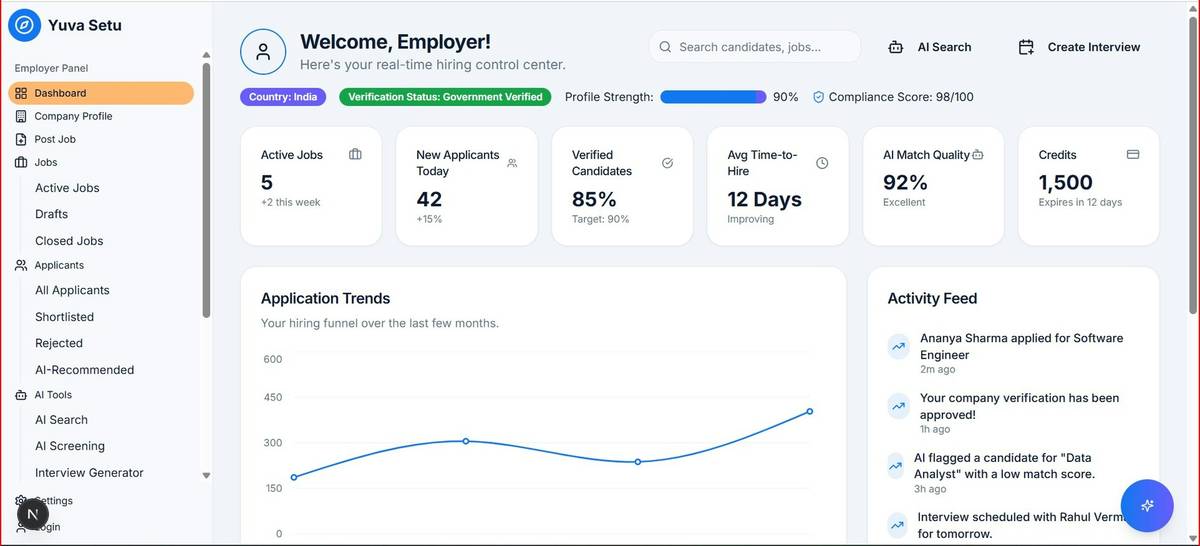
- Workload visualization: See who’s overloaded before deadlines explode (Monday.com does this brilliantly).
- Dependency tracking: If Task B can’t start until Task A finishes, your tool should enforce that (looking at you, Asana).
- Budget vs. actuals: Real-time comparison prevents scope creep from silently blowing your timeline.
My confessional fail: I picked style over substance
I once chose a tool because its UI looked like a sci-fi dashboard—neon gradients, animated transitions, the works. Two weeks in, I realized it couldn’t export time logs to Excel. Our finance team revolted. Lesson? Prioritize interoperability over aesthetics.
Best Practices for Maximizing Your Tool’s ROI
Installing software ≠ solving problems. Follow these steps:
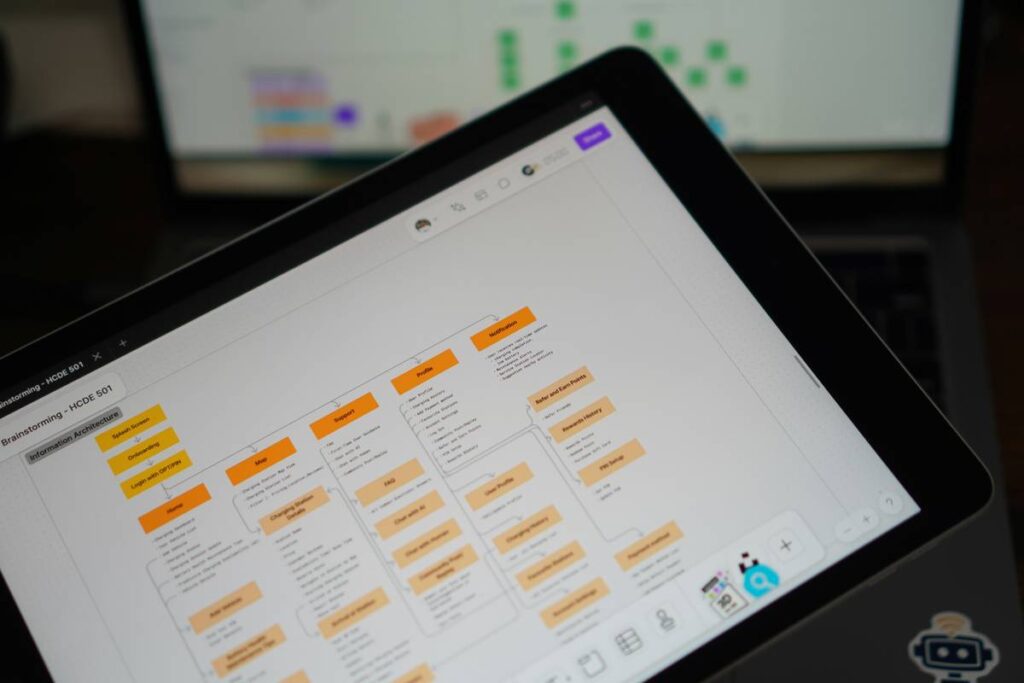
- Map your workflow first: Before touching any tool, diagram your ideal project flow on paper. Where do bottlenecks happen?
- Start with templates: Most top tools (ClickUp, Notion, Smartsheet) offer pre-built time-tracking project templates. Use them as scaffolding.
- Enable notifications strategically: Turn off non-critical alerts. Noise kills focus.
- Review weekly, not daily: Hold 15-minute “time audits” to spot inefficiencies—like recurring meetings that could be emails.
- Integrate with your stack: Connect your PM tool to Slack, Google Calendar, and invoicing apps (e.g., QuickBooks).
Terrible tip disclaimer: “Track every minute of your day!” Nope. Hyper-tracking leads to analysis paralysis. Focus on high-impact tasks—the 20% that drive 80% of results.
Real Case Studies: From Time Sinks to Time Machines
Case Study 1: SaaS Startup Cuts Delivery Time by 35%
A 12-person dev team switched from Trello + manual spreadsheets to ClickUp. They enabled:
– Time tracking per task with idle detection
– Custom status columns tied to sprint goals
– Automated reminders for overdue dependencies
Result: Feature delivery time dropped from 14 days to 9 days within 3 months (ClickUp, 2023).
Case Study 2: Marketing Agency Eliminates Overtime
Using Monday.com’s workload view, an agency spotted that two designers were consistently assigned 60+ hours/week while others sat at 30. They rebalanced assignments and added time buffers for revisions. Overtime costs fell by 48% in Q2 2023.
FAQs About Time Project Management Software Tools
What’s the difference between time tracking software and time project management software tools?
Time tracking tools (e.g., Toggl Track) log hours. Time project management software tools (e.g., Asana, ClickUp) embed time data into task planning, resource allocation, and reporting—making time a strategic asset, not just a metric.
Are free tools worth it?
For solopreneurs or tiny teams, yes—Toggl Track (free tier) + Notion offers solid functionality. But once you hit 5+ people, paid tools with workload balancing and permissions pay for themselves in recovered hours.
How accurate is auto time tracking?
Modern tools like RescueTime or Clockify use AI to categorize activity (e.g., “coding” vs. “Slack scrolling”). Accuracy is ~85–90%—good enough for trends, not forensic audits.
Can these tools replace project managers?
Nope. Tools amplify human judgment—they don’t replace it. As the PMI states: “Technology enables, but leadership executes.”
Conclusion
Great time project management software tools don’t just count minutes—they protect your team’s focus, prevent burnout, and turn chaotic workflows into repeatable success. Start by auditing where time *actually* leaks (hint: it’s rarely in the tasks you track). Then pick a tool that aligns with your real processes—not some idealized version of productivity.
Remember: the goal isn’t to fill every second with work. It’s to make the seconds you do spend count.
Like a Tamagotchi, your project timeline needs daily care—feed it clarity, not just clicks.