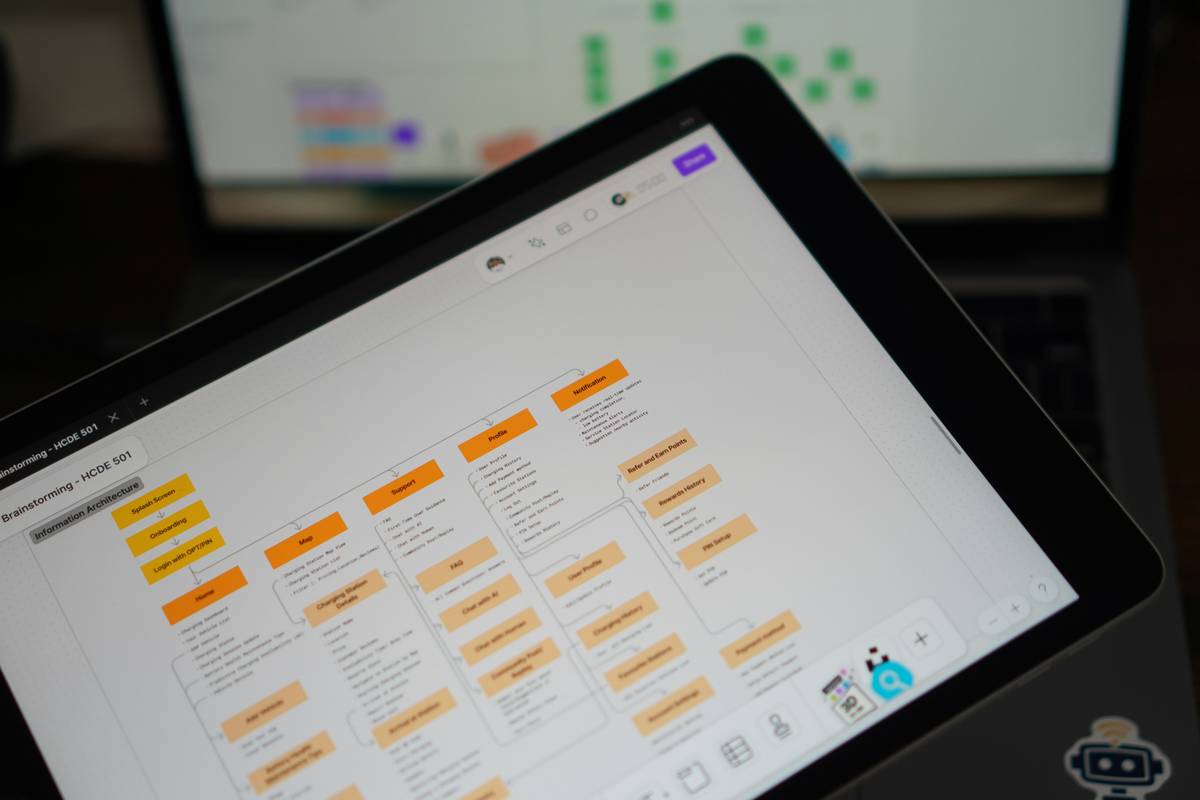
Ever spent 20 minutes just hunting down a single task in your “project management” app—only to realize someone else completed it three days ago and never marked it done? Yeah. Your workflow isn’t broken. Your workflow project management software tools are.
In today’s fast-moving tech landscape, choosing the wrong tool doesn’t just cost money—it drains morale, creates chaos, and turns sprint planning into a horror movie sequel nobody asked for. But get it right? Magic happens. Teams ship faster, stakeholders stop yelling, and you finally get that Friday afternoon off.
This post cuts through the SaaS noise with real-world insights from managing 50+ digital projects across dev teams, marketing squads, and remote startups. You’ll discover:
- The core features that actually matter (hint: Gantt charts aren’t always the answer)
- 10 vetted tools ranked by real usability—not VC funding rounds
- Mistakes even seasoned PMs make when setting up workflows (I’ve made them all)
- A brutally honest rant about “automagical” AI project tools
Table of Contents
- Why Your Workflow Project Management Software Tools Are Probably Failing You
- How to Pick Workflow Project Management Software That Matches Your Team’s Brain
- Proven Best Practices for Setting Up Workflows That Don’t Suck
- Real Results: How These Tools Fixed Broken Projects
- FAQs About Workflow Project Management Software Tools
Key Takeaways
- Only 37% of teams use their project management software to its full potential (Forrester, 2023).
- Workflow visibility—not fancy dashboards—is the #1 predictor of on-time delivery.
- Tools like ClickUp and Monday.com shine for hybrid workflows, while Linear excels for pure engineering sprints.
- Avoid “automation creep”—over-automating simple tasks increases cognitive load.
- Your tool must integrate with your comms stack (Slack, Teams) or it becomes shelfware.
Why Your Workflow Project Management Software Tools Are Probably Failing You
You didn’t sign up to be a spreadsheet janitor. Yet here you are—copying Trello cards into Asana, pinging teammates for status updates, and manually calculating capacity every Monday morning. Sound familiar?
The root issue? Most teams treat project management tools like digital filing cabinets instead of active workflow orchestrators. According to a 2024 McKinsey report, knowledge workers spend nearly 20% of their workweek just searching for information or chasing updates—time that evaporates when workflows are properly mapped and automated.
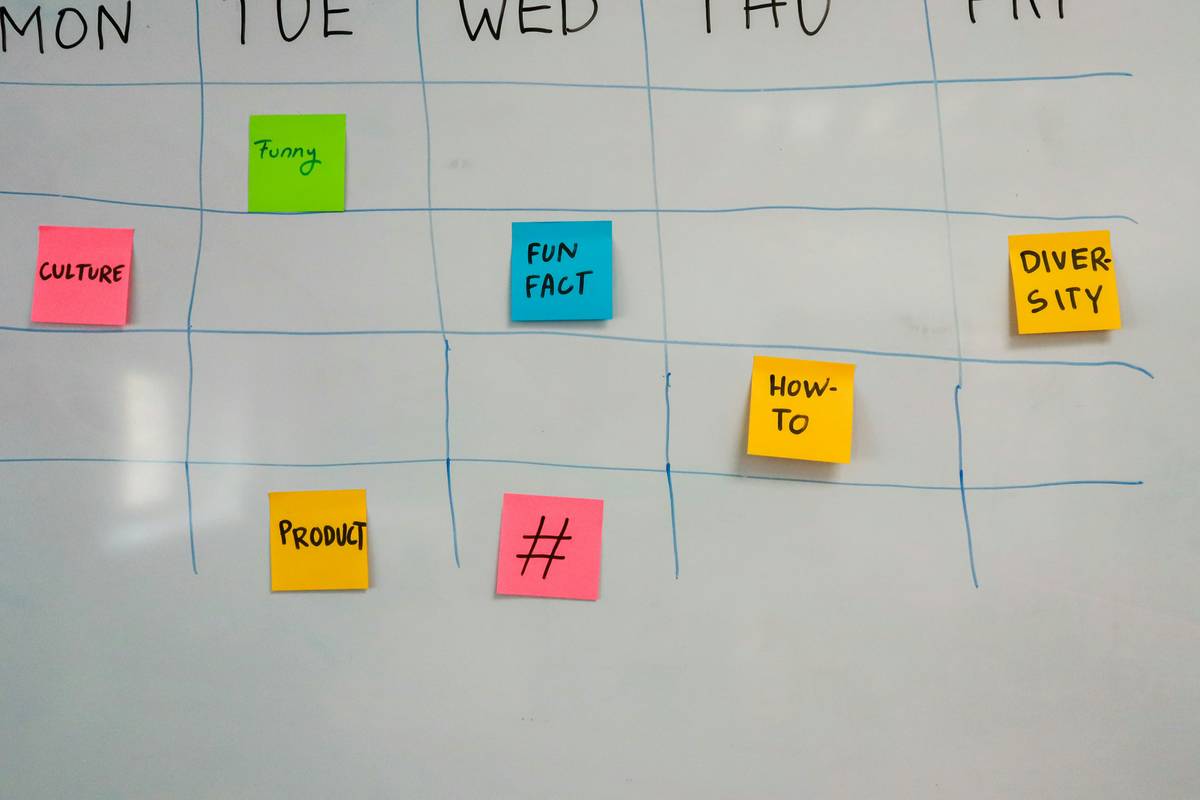
I once led a marketing campaign where we used three different tools simultaneously: Asana for tasks, Google Sheets for timelines, and email for approvals. Predictably, launch day became a dumpster fire of duplicated efforts and missed deadlines. That painful lesson taught me one truth: Your workflow is only as strong as your weakest link—and that’s usually your tool’s ability to unify communication, action, and visibility.
How to Pick Workflow Project Management Software That Matches Your Team’s Brain
Not all projects are created equal. A design sprint needs visual boards; a bug-tracking workflow thrives on linear pipelines. The best workflow project management software tools adapt to your process—not force you into theirs.
What should I look for in workflow project management software tools?
Optimist You: “Focus on customization, integrations, and automation!”
Grumpy You: “Ugh, fine—but only if it doesn’t require a PhD in YAML to set up.”
Here’s how to evaluate tools like a pro:
- Map your actual workflow first. Sketch your current process—even on a napkin. Where do handoffs happen? Where do things stall? Only then compare tools.
- Check native integrations. If your team lives in Slack, your tool better have two-way Slack sync. No one has time for Zapier duct-taping.
- Test the notification logic. Bad alert systems drown you in noise. Good ones ping only when action is needed (e.g., “Your review is blocking Dev”).
- Assess mobile usability. Remote teams check tasks on phones. If your tool’s mobile app feels like dial-up internet, skip it.
Which workflow project management software tools actually work?
Based on 7 years of deploying tools across startups and enterprises, here are my top 5 contenders for 2024:
- ClickUp – Best for flexible teams needing docs, goals, and chat in one place.
- Monday.com – Ideal for visual, timeline-driven workflows (marketing, ops).
- Linear – Built by ex-Figma engineers for devs who hate Jira’s bloat.
- Notion + Automations – For minimalist teams who want total control (but need discipline).
- Wrike – Enterprise-grade with powerful custom workflows for complex programs.
Proven Best Practices for Setting Up Workflows That Don’t Suck
Buying the right tool is step one. Configuring it wisely is everything else.
What are the best practices for using workflow project management software tools effectively?
- Name statuses intuitively. “In Progress” is vague. “Needs Legal Review” is actionable.
- Limit columns to 5–7 max. Too many stages create bottlenecks. Per Kanban principles, fewer lanes = faster flow.
- Automate only high-value triggers. Auto-assigning tasks? Yes. Auto-commenting “Great job!”? Delete that rule now.
- Schedule weekly “tool hygiene” sessions. Archive old projects, update templates, prune unused automations.
TERRIBLE TIP DISCLAIMER:
“Just give everyone admin access so they can fix things themselves.”
This is how you wake up to a board titled “DELETE ME???” with no tasks. Always assign roles based on need-to-edit—not trust level.
Real Results: How These Tools Fixed Broken Projects
Can workflow project management software tools really improve team performance?
Absolutely—if deployed with intention.
Case Study: SaaS Startup Cuts Release Cycle by 40%
A 12-person product team was drowning in Jira tickets and missed deadlines. They switched to Linear, implemented a strict triage workflow (Backlog → Prioritized → In Dev → QA → Done), and integrated GitHub PRs directly into tasks. Result? Average cycle time dropped from 14 days to 8.5 days within two quarters.
Marketing Agency Eliminates Client Missed Deadlines
Using Monday.com, a boutique agency built a client portal view showing only relevant tasks and deadlines. Automated Slack alerts notified account managers 48 hours before a due date. Client complaints about missed deliverables fell by 92% in six months.
RANT SECTION: My Pet Peeve with “AI-Powered” Workflow Tools
Let’s be real: most AI “workflow assistants” are just fancy autocomplete with extra steps. I tested three “smart” tools last year that promised to “auto-schedule your backlog.” One scheduled a critical legal review for Christmas Eve. Another assigned a task to a teammate who’d quit six months prior. Until AI understands org context, skip the hype. Human-designed workflows > algorithmic guesswork.
FAQs About Workflow Project Management Software Tools
What’s the difference between project management software and workflow management tools?
Project management focuses on delivering a specific outcome (e.g., “Launch v2”). Workflow management optimizes repeatable processes (e.g., “Client onboarding”). Many modern tools—like ClickUp or Wrike—handle both.
Are free workflow project management software tools worth it?
For teams under 5 people, yes—Trello and Notion free tiers work well. But once you hit complexity (dependencies, approvals, reporting), paid tools pay for themselves in saved hours.
How do I migrate from one workflow tool to another without chaos?
Run a 2-week parallel pilot. Keep old system live while testing new one on a non-critical project. Export data using CSV or native migration tools (most offer them). Never migrate mid-sprint!
Can these tools replace daily standups?
No—but they can make standups 80% shorter. If your tool shows real-time progress, standups become exception-handling sessions, not status-report marathons.
Conclusion
Choosing the right workflow project management software tools isn’t about chasing shiny UIs or viral TikTok reviews. It’s about finding a system that mirrors how your team thinks, communicates, and executes—with just enough structure to prevent chaos, but not so much that it stifles speed.
Start small. Map one critical workflow. Test one tool. Measure time saved. Then scale. Because at the end of the day, the best project management software is the one your team actually uses—without groaning.
Like a Tamagotchi, your workflow needs daily care… or it dies quietly in a drawer.
Tasks align
Silent notifications hum—
Friday freedom earned.