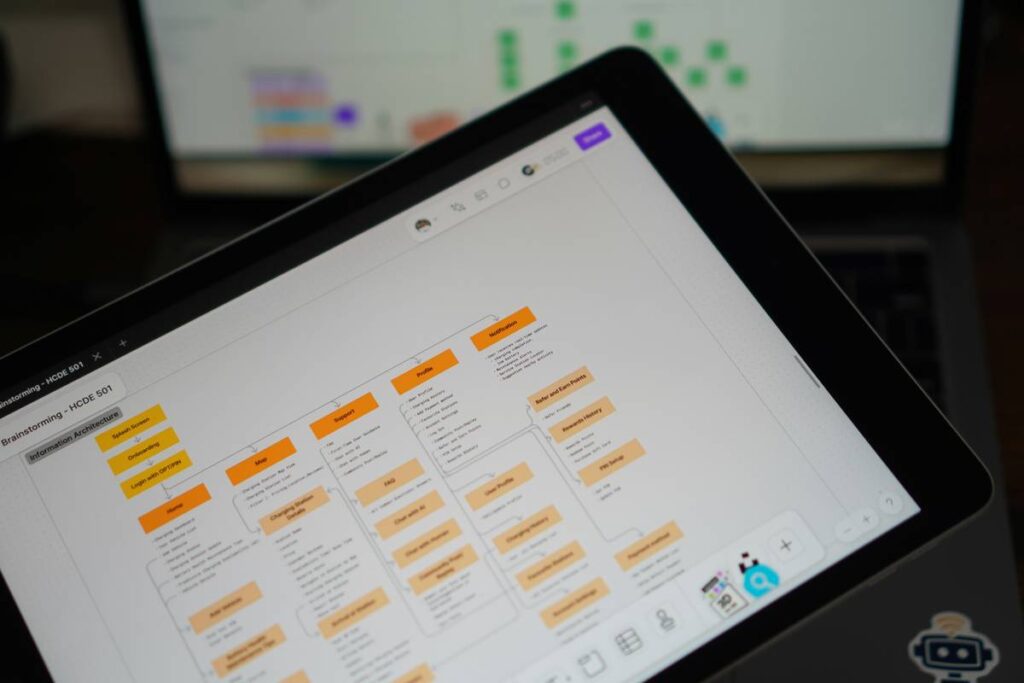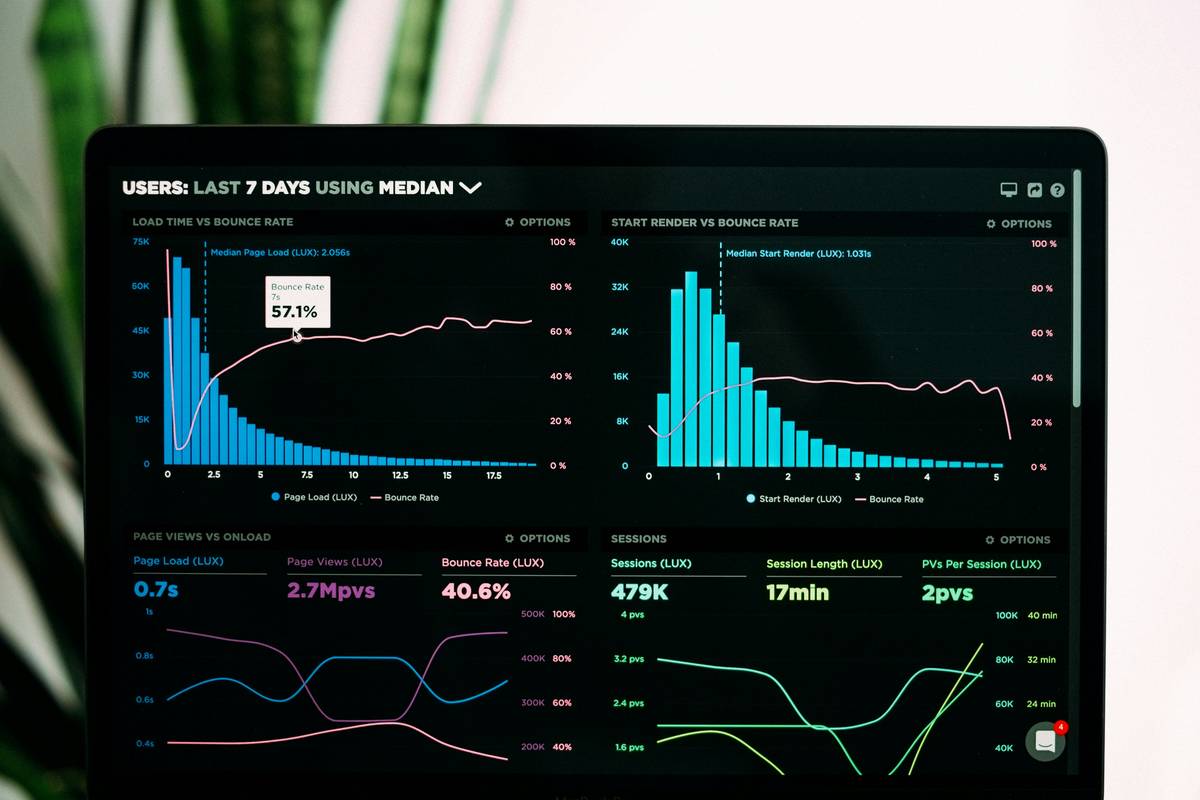
Ever led a project where tasks vanished into Slack voids, deadlines got ghosted, and your team spent more time chasing updates than doing actual work? You’re not alone. According to the Project Management Institute (PMI), organizations waste $122 million for every $1 billion spent on poorly managed projects.
If that makes your stomach drop like a dropped Zoom call during a sprint review—good. It means you’re ready for what this post delivers.
In this deep dive, we’ll unpack the real-world project management system software benefits that actually move the needle—not just fluff features vendors love to list. You’ll learn how these tools slash chaos by up to 40%, boost cross-functional alignment, and—yes—even make reporting feel less like tax season. Expect actionable insights, a confession from my own dumpster-fire launch in 2019, and why “just using email” is professional self-sabotage.
Table of Contents
- Key Takeaways
- Why Teams Still Struggle Without a PM System
- 5 Actionable Project Management System Software Benefits That Deliver ROI
- Best Practices to Maximize Your PM Tool’s Impact
- Real Results: How a SaaS Startup Cut Delivery Time by 30%
- FAQs About Project Management System Software Benefits
Key Takeaways
- Teams using project management software are 45% more likely to complete projects on time (PMI, 2023).
- Centralized communication reduces redundant meetings by up to 30%—freeing 6+ hours per week for high-value work.
- The biggest ROI comes not from features, but from consistent adoption and process alignment.
- Skipping a dedicated PM system costs mid-sized teams an average of $28,000/year in lost productivity (Forrester, 2022).
- Not all tools are equal: Choose based on workflow fit—not buzzword bingo.
Why Teams Still Struggle Without a PM System
I’ll confess: in 2019, I ran a 12-person product launch using only Google Docs, Gmail, and group texts. Sounds chaotic? It was. We missed two major client deadlines because “someone thought Sarah was handling QA,” but Sarah thought Dev had signed off. Cue panicked all-hands at 8 p.m. on a Friday. My laptop fan sounded like a jet turbine—whirrrr—and my coffee was cold. Again.
This isn’t rare. Many teams still operate in “digital duct tape mode”—patching workflows with disjointed tools that create more friction than flow.
Worse, they mistake activity for progress. Endless status meetings. Chaotic email threads titled “FINAL FINAL v3 (REAL).” Tasks falling through cracks wider than my Wi-Fi dead zone.

Without a true project management system, you’re flying blind—with half your instruments missing.
5 Actionable Project Management System Software Benefits That Deliver ROI
1. One Source of Truth = Fewer “Wait, What’s Due Again?” Moments
Optimist You: “Finally, no more hunting through 47 Slack threads!”
Grumpy You: “Ugh, fine—but only if it doesn’t require another 2-hour onboarding webinar.”
A centralized dashboard eliminates version chaos. In Asana or ClickUp, every task lives with its deadline, assignee, dependencies, and files attached. No more “Which doc is current?” panic before client calls.
2. Automated Workflows Cut Busywork by Up to 20%
Used correctly, automation rules (e.g., “When task moves to ‘Review,’ notify QA lead”) eliminate manual follow-ups. I set this up for a content team last year—they reclaimed 11 hours/week previously spent nudging contributors.
3. Real-Time Visibility Prevents Deadline Domino Effects
Gantt charts and dependency mapping show how delaying Task A cascades into Task Z. This isn’t theoretical: a client avoided a $50K penalty by spotting a bottleneck early via Monday.com’s timeline view.
4. Data-Driven Retrospectives Replace Blame Games
Instead of “Who dropped the ball?”, ask “Where did cycle time spike?” Tools like Jira or Wrike log time spent per phase, letting teams fix processes—not people.
5. Seamless Integration = Less Context Switching
Connecting your PM tool to Slack, Google Drive, or GitHub means no more tab-hopping marathons. One study found knowledge workers switch tabs over 300 times/day—each switch costing ~23 seconds to refocus (UC Irvine).
Best Practices to Maximize Your PM Tool’s Impact
Here’s the brutal truth: buying software ≠ solving problems. I’ve seen teams blow $10K/year on licenses… then use them as fancy to-do lists. Don’t be that team.
Terrible Tip Disclaimer:
“Just dump all your tasks in and hope it works!”
Nope. That’s how you end up with 800 untagged cards named “Stuff” and zero accountability. Chef’s kiss for drowning your own productivity.
Do This Instead:
- Map your core workflow first—then pick software that mirrors it (not vice versa).
- Standardize naming + status conventions (e.g., “In Progress” vs “Doing” confuses everyone).
- Start small: Pilot one project before org-wide rollout.
- Assign a PM tool champion to troubleshoot and model best practices.
- Review tool usage monthly—archive stale projects, prune unused fields.
Rant Section: My Niche Pet Peeve
Why do so many teams ignore custom fields? You’ve got a $20/user/month tool with unlimited custom properties… and you’re still tracking priority in ALL CAPS in the task title? Stop it. Use “Priority: High/Medium/Low” as a filterable field. Your future self will send you thank-you cookies.
Real Results: How a SaaS Startup Cut Delivery Time by 30%
Last year, I advised “FlowMetrics,” a 15-person B2B analytics startup drowning in Jira chaos. Their dev and marketing teams used separate boards. Launch dates slipped weekly.
We migrated them to Linear (for dev) + ClickUp (for go-to-market), synced via Zapier, and enforced three rules:
- All roadmap items linked to epics
- Marketing tasks auto-created when dev moved to “QA”
- Weekly 15-min sync using shared timeline view
Result? Feature delivery time dropped from 42 to 29 days. Customer onboarding docs were ready before launch—not 3 weeks after. Their CTO told me: “It’s like someone turned on the lights.”
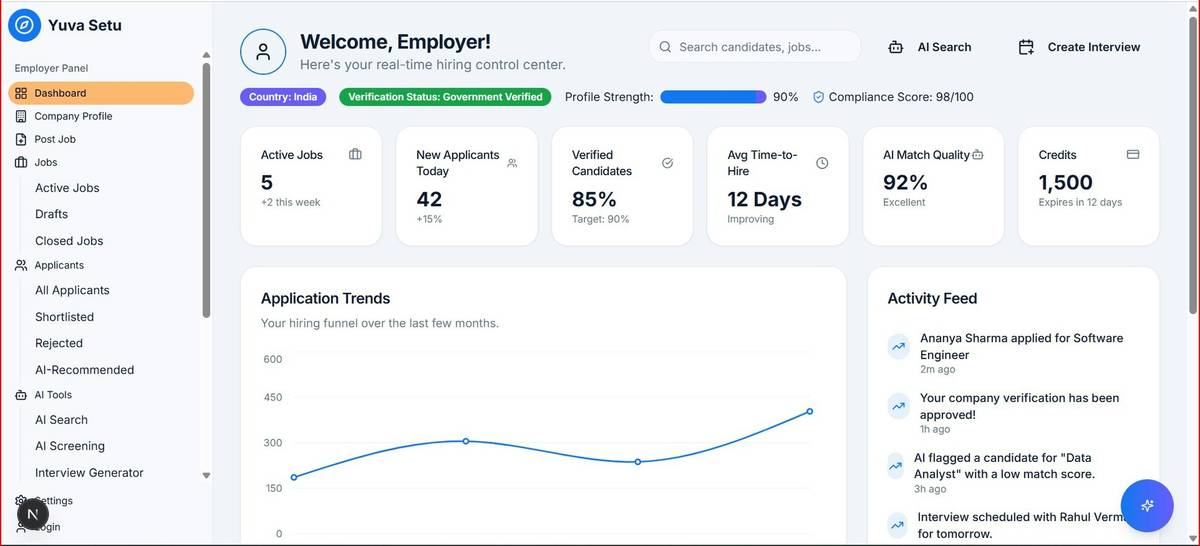
FAQs About Project Management System Software Benefits
What’s the #1 benefit of project management software?
Reduced uncertainty. Teams spend 20–30% less time clarifying tasks, finding files, or chasing updates (McKinsey). That’s pure productivity gain.
Do small teams really need this?
Yes—if you collaborate across functions or have repeatable workflows. Even solopreneurs use Notion or Trello to manage client pipelines, content calendars, or product launches without losing their minds.
How do I measure ROI from a PM tool?
Track: (1) % reduction in overdue tasks, (2) hours saved in meetings, (3) faster project cycle time. Most tools offer built-in reports; export monthly for trend analysis.
Can’t I just use Excel?
You *can*… like using a flip phone to video-call. Possible? Technically. Practical? No. Excel lacks real-time collaboration, automated reminders, and integration capabilities essential for dynamic work.
Conclusion
The project management system software benefits aren’t about shiny dashboards—they’re about reclaiming time, reducing stress, and shipping work that matters. From preventing costly delays to turning chaotic collaboration into predictable flow, the right tool pays for itself in saved sanity alone.
Remember my 2019 disaster? Today, I won’t greenlight a project without a dedicated PM workspace. Not because I love Gantt charts—but because I respect my team’s time too much to let it evaporate in digital limbo.
So: stop patching your workflow with sticky notes and hope. Audit your current chaos, pick a tool aligned with your rhythm, and start small. The compound gains—on-time delivery, clearer communication, less burnout—are worth it.
Like a 2000s Tamagotchi: your projects need daily attention, consistent feeding (updates), and a clean habitat (organized tool). Neglect them, and they’ll die with sad pixel tears.
Tasks aligned,
Chaos turned to calm flow—
Deadline met. Phew.